Molecular Balance: An Interactive Chemistry Experience

Exploring molecular energy landscapes through interactive gameplay

Combining a data-driven molecular model with real-time visualization, this project enables direct interaction with the energy landscape of a water dimer system. It was developed as a joint effort between SEDLab (Laboratory of Discrete Events Simulation) of the Computer Department, and INQUIMAE (Institute of Physical Chemistry of Materials, Environment and Energy) of the Inorganic Chemistry Department, at the University of Buenos Aires.

Encoding interaction through scientific models: Theoretical framework

At the core of the system lies a computational model describing the interaction between two water molecules. Based on a Behler–Parrinello-type architecture trained on electronic structure calculations, the model evaluates the system’s energy from spatial configurations. The challenge was not only to integrate this model into a real-time environment, but to preserve its scientific coherence while exposing it as an interactive system — where every movement translates into measurable change.

Rendering energy as experience

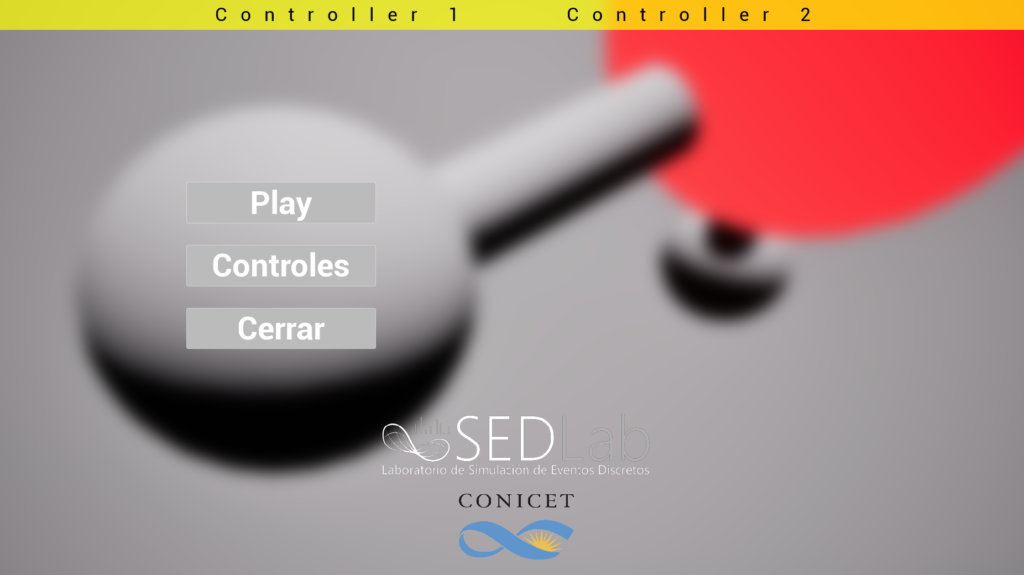
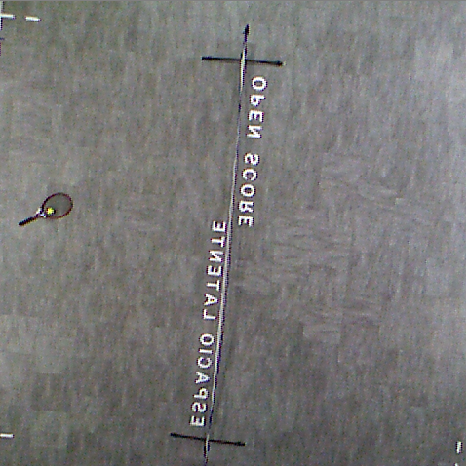
Using Unreal Engine, molecular positions are captured directly from the scene and continuously fed into the underlying model. The resulting energy values are computed in real time and visualized through a live graph, creating a direct feedback loop between action and response. Subtle variations in position and orientation become visible as shifts in energy, allowing users to explore equilibrium not as an abstract concept, but as something that unfolds dynamically in front of them.

Physical control as intuitive exploration

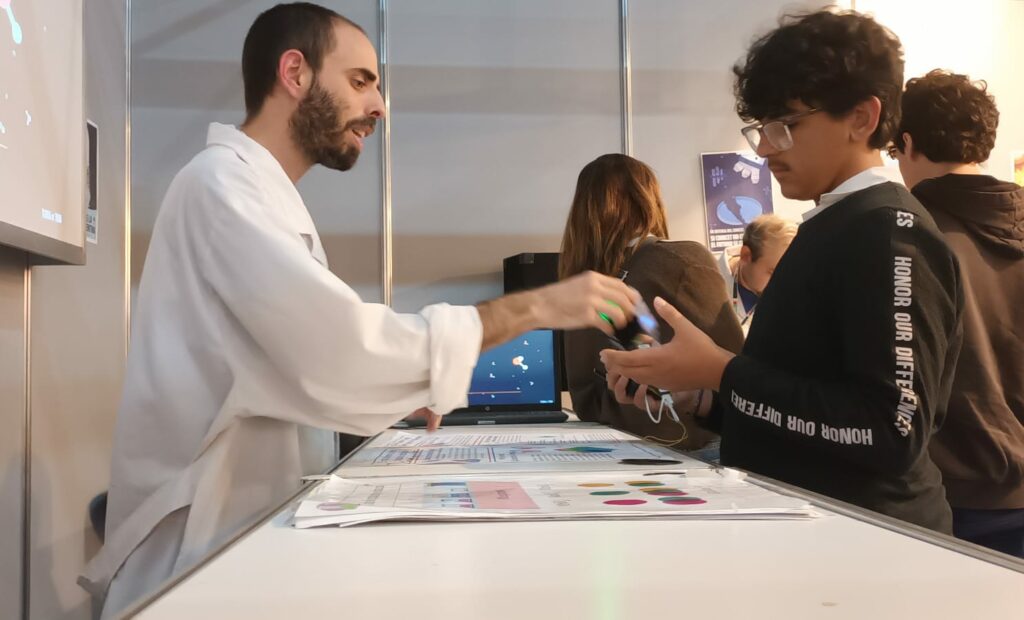
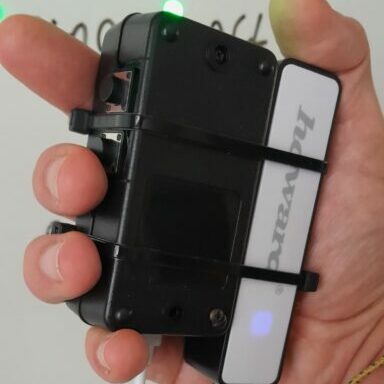
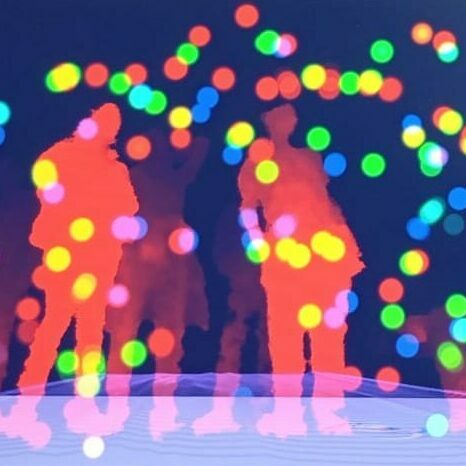
Interaction extends beyond the screen through custom-built controllers based on ESP32 microcontrollers and MPU6050 sensors. These devices capture motion and rotation, transmitting data wirelessly to the simulation via OSC. Originally developed as prototypes, they enabled the system to be presented in a chemistry outreach event, where participants could manipulate molecules through physical gestures. By translating movement into molecular transformation, the system bridges scientific rigor with an accessible, hands-on form of exploration.

Other projects

Scroll to top